
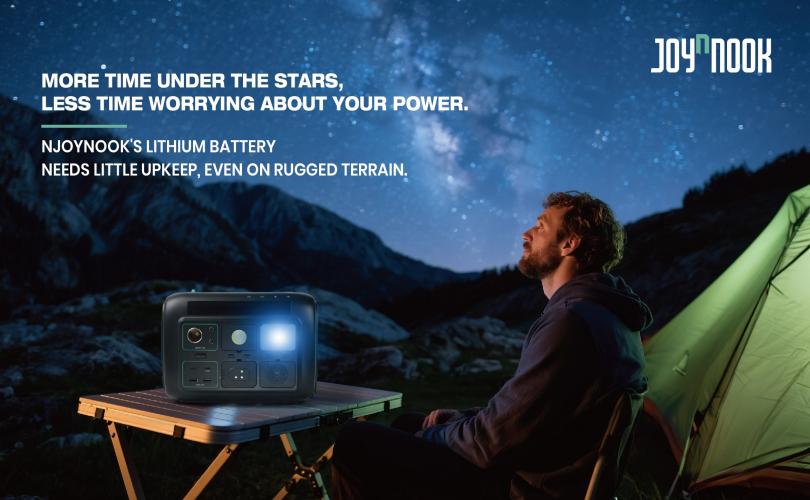
For off grid energy, your power station must have a stable battery pack. Choosing the right battery type is vital, it ensures a long standing power supply. The most popular battery choices include lead acid and lithium batteries.
Both are best in class and bring numerous benefits for users. However, there are some key differences between these two.
Portable power stations like NJoyNook use lithium batteries as they are lightweight and durable.
However, before making a choice it is important that users should understand the features.
In this article, we will compare both battery types, focusing on performance, weight, and lifespan.
1. Lead Acid Batteries
Lead-acid batteries have been popular among campers for decades. These offer excessive storage and discharge rates for charging electronic devices.
They are cost effective and have a compact design. Lead acid batteries require lower maintenance, easy to handle off grid.
Following are the pros and cons of lead acid batteries.
Pros
- Affordability: Leadacid batteries are a budget friendly option. The cost per battery setup varies from $500 to $1500.
- Durability: These batteries can withstand severe weather conditions. Being highly durable,they are a perfect fit for rugged .
- Wide Availability: You can easily buy leadacid batteries from your nearest auto parts store.
Cons
- Weight: Generally, leadacid batteries are heavy, which is a major turn off for travel freaks. Transporting heavy weight batteries is no less than a hassle.
- Limited Lifespan: Leadacid batteries typically have a shorter lifespan. A standard lead acid battery can last 2 to 5 years.
2. Lithium Batteries
Lithium batteries are modern and maintenance free. Solar powered portable power stations such as NJoyNook use lithium LiFePo4 batteries. They offer excellent output recharge to 80% with every 6 months shelf-life.
Lithium batteries offer the following pros and cons.
Pros
- Lightweight Design: These are significantly lighter than lead acid Thus, aperfect option for weight sensitive applications such as outdoor trips.
- Longer Lifespan: Lithium batteries can last longer 5 times than leadacid batteries. They do not need frequent replacement or maintenance.
- High Energy Density: These batteries have a higher energy density. This, providing more power as compared to their compact size and weight.
Cons
A lithium battery has some shortcomings as well, which includes the following.
- Higher Cost: Lithium batteries are more expensivethan lead However, the high end features can offset the cost over time.
- Sensitive to Temperature:These batteries are temperature This factor can affect their performance and lifespan.
Comparison of Lead Acid and Lithium Batteries
Here is a comparison between lead acid and lithium batteries. It will help campers and RVers to make the right decision when selecting a battery for their next outdoor exertion.
|
Feature |
Lead Acid |
Lithium |
|
Weight |
Heavy |
Light Weight |
|
Lifespan |
3-5 Years |
8-12 Years |
|
Maintenance |
Regular maintenance |
Low maintenance |
|
Cost |
Lower upfront cost |
Higher upfront cost |
|
Energy Density |
Lower energy density |
Higher energy density |
Lead Acid vs Lithium Battery: What is Best?
The answer depends on the user's requirements and preferences. Both battery types are suitable for outdoor exertions.
If you are looking for a lightweight and easy to carry option, choose a lithium battery.
However, for budget friendly battery options, lead acid batteries provide reliable performance off grid.
Conclusion
When selecting a battery for a portable power station, consider storage capacity, longevity and weight.
Lead-acid and lithium, both battery types are excellent for outdoor use.
While lead acid batteries are cost effective and durable, lithium batteries offer easy transport off grid.
By understanding the pros and cons of each battery type, you can make an informed decision.